When preparing shrimp, it’s common to notice a thin black line running along the top of the back. Often called a “vein,” many cooks take the time to remove it before cooking. But what really happens if you eat it? Is it dangerous or simply a matter of preference?
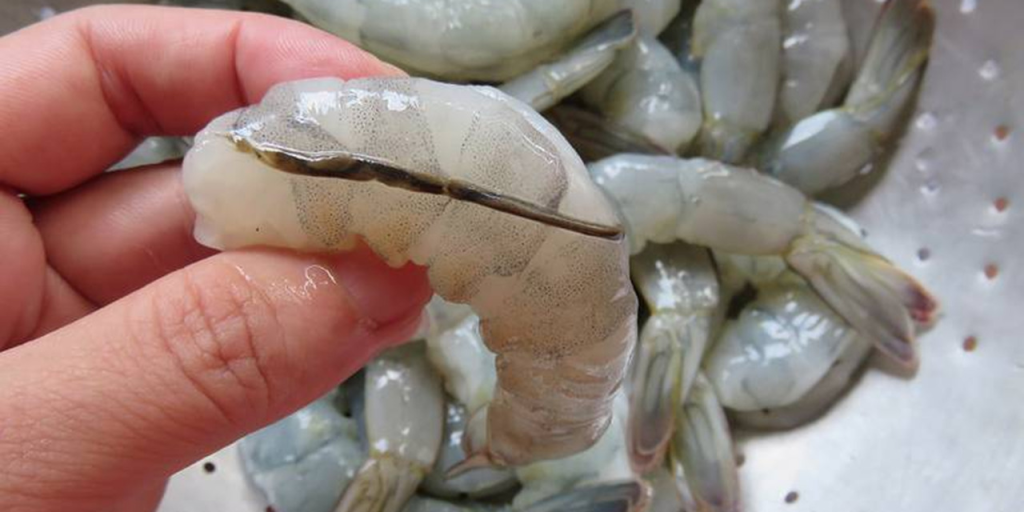
What is the black vein on a shrimp?
The first thing you should know is that this “vein” isn’t a vein at all. It’s the shrimp’s digestive tract, specifically its intestine. That is, it’s a small line that may contain sand, sediment, or undigested food.
Is it dangerous to your health?
No, in most cases, eating the black vein of shrimp doesn’t pose a health risk. If the shrimp has been cooked thoroughly, any potentially harmful bacteria will be killed by the heat. However, the issue is more about texture and flavor: many people prefer to remove it because it can give a gritty or slightly bitter taste.
When is it advisable to remove it?
- Large Shrimp: In larger shrimp, the vein is more visible and more likely to contain debris, so it is recommended to remove it.
- Small Shrimp: Small shrimp are often cooked with everything because removing them can be tedious and their impact is minimal.
- Delicate preparations: If you’re looking for a clean presentation or more subtle flavors (such as in ceviches or gourmet dishes), it’s best to remove it.
How do you remove the vein from shrimp?
- Make a small cut along the back of the shrimp with a knife.
- Use the tip to lift and remove the vein.
- Rinse the shrimp under cold water to remove any residue.
Conclusion:
Eating the black vein on shrimp won’t harm you, but it can affect the culinary experience. It’s up to you to decide whether you prefer to remove it for aesthetic and flavor reasons, or leave it if it doesn’t bother you. In any case, cooking shrimp thoroughly is key to ensuring it’s safe and delicious.