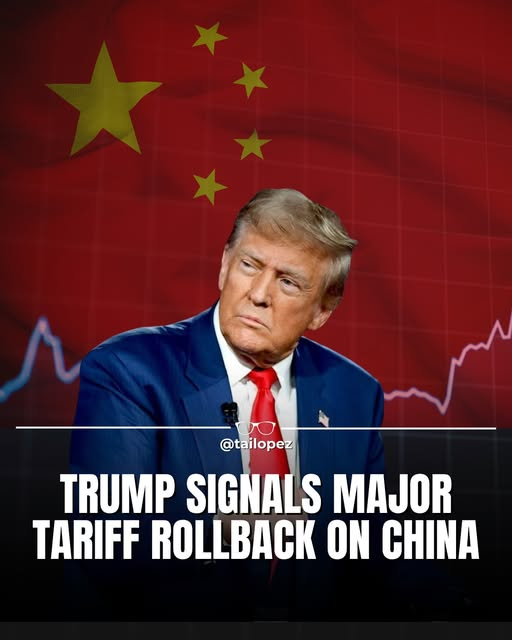
In a surprising move that could reshape global trade dynamics, former President Donald Trump is reportedly considering a significant reduction in tariffs on Chinese imports. The proposed cut would lower tariffs on certain non-security goods from a steep 145 percent to a more moderate 35 percent. While this adjustment would not apply to sectors deemed sensitive to national security, it signals a potential shift in the U.S. administration’s approach to the ongoing trade standoff with China.
This policy reconsideration arrives in response to mounting pressure from major American retailers and industry groups. Giants like Walmart and Target have been vocal in their concerns about the rising cost of goods, supply chain bottlenecks, and reduced shipping activity between the U.S. and China. The impact of high tariffs, combined with a reported 60 percent drop in shipping volume between the two countries, has left many store shelves understocked and prices elevated — issues that are hitting consumers hard and raising inflationary pressures.
Retailers argue that the existing tariff levels are unsustainable. As import costs rise, so do consumer prices, weakening demand and damaging business margins. With inflation still a top concern for American households, the retail industry is pushing for policy changes that would ease the burden on supply chains and restore balance to product availability and affordability. The proposed tariff relief is being framed not just as a trade policy adjustment, but as a necessary response to real economic pain felt by businesses and consumers alike.
Investors reacted swiftly and positively to the news. The S&P 500 index surged over 2 percent in a single day, reflecting renewed optimism that a de-escalation in the U.S.–China trade dispute could improve market stability and fuel economic growth. Wall Street has long viewed the tariff battle as a major drag on global commerce, and any sign of progress or compromise tends to drive bullish sentiment.
Treasury Department officials were quick to add that the potential deal comes with conditions. The proposed reduction in tariffs would apply strictly to non-security goods, such as apparel, electronics, household goods, and other consumer items. High-tech sectors with national security implications — including semiconductors, telecommunications equipment, and defense-related technologies — would remain under existing restrictions. This strategy reflects a nuanced approach: offering relief to industries facing inflation and shortages, while maintaining protective barriers around strategic assets.
Moreover, the administration is demanding reciprocity from China. U.S. negotiators have made it clear that any tariff reduction must be matched by similar trade concessions from Beijing. This could include lowering tariffs on American agricultural products, easing restrictions on U.S. firms operating in China, and increasing transparency in regulatory practices. If China responds in kind, officials believe the deal could not only ease current tensions but also lay the groundwork for broader negotiations in the future.
This development represents one of the most significant shifts in U.S. trade policy since the original tariffs were imposed. Under the Trump administration, the trade war with China was initiated to curb what the U.S. viewed as unfair trade practices and intellectual property theft. Tariffs were used as leverage to force structural reforms in Chinese economic policy. While the initial rounds of tariffs were met with strong political support, the long-term economic consequences — especially during periods of global disruption — have become harder to ignore.
For consumers, the proposed tariff reduction could offer tangible relief. Products that have become more expensive or harder to find due to the U.S.–China trade slowdown may become more accessible and affordable. Lower tariffs mean reduced import costs, which typically translates into lower prices at the checkout counter. For families struggling with high grocery bills, back-to-school shopping, or holiday purchases, even modest price cuts can make a difference.
However, not all voices in Washington are in favor of the change. Critics warn that easing tariffs too quickly may weaken the U.S. negotiating position and allow China to avoid meaningful economic reforms. Others fear that removing trade barriers on consumer goods could open the door to overdependence on Chinese manufacturing, leaving the U.S. vulnerable to future disruptions. Balancing economic recovery with national interest remains a delicate task, and the administration will need to carefully craft a policy that addresses both.
As negotiations continue, the world is watching. The U.S.–China relationship is one of the most important — and complex — economic partnerships in the modern era. Any significant adjustment in trade policy could have ripple effects across global supply chains, investment flows, and geopolitical alliances. If the tariff rollback is implemented and China responds with reciprocal measures, it may help defuse one of the longest-running economic conflicts of the 21st century.
Whether this signals a broader policy pivot or simply a temporary measure remains to be seen. But for now, the prospect of reduced tariffs offers hope to businesses, relief to consumers, and a possible path forward in an increasingly interconnected world economy.