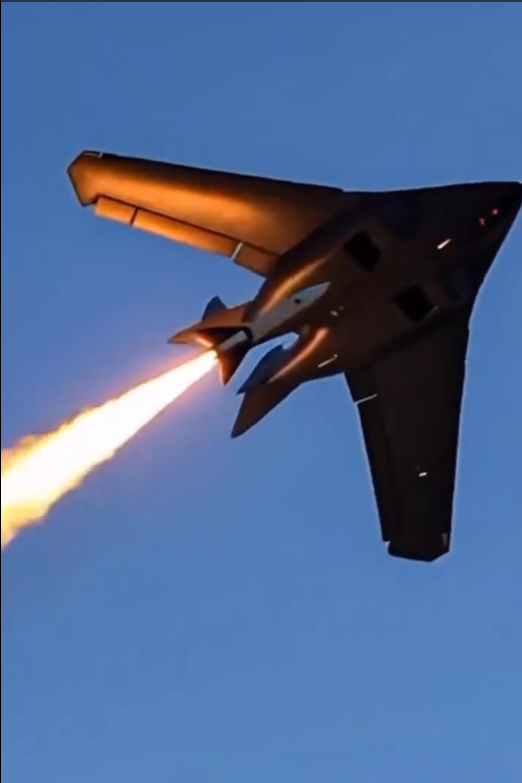
In modern aerial warfare, the sky can transform from a silent horizon into a battlefield within seconds. Advanced aircraft such as the B 2 stealth bomber represent the peak of military aviation technology, designed to evade radar, penetrate heavily defended airspace, and deliver strategic payloads with unmatched precision. However, even the most advanced aircraft can become the center of unexpected and tragic events when guided missiles enter the equation. One dramatic incident unfolded when a missile began tracking a B 2 bomber during a high intensity aerial operation, ultimately leading to a devastating collision with a nearby fighter jet.
The B 2 bomber is known worldwide for its distinctive flying wing design and remarkable stealth capabilities. Developed by the United States, this aircraft was engineered to avoid detection from sophisticated radar systems. Its sleek structure and special radar absorbing materials allow it to slip through heavily defended skies with minimal visibility. During the mission in question, the B 2 was flying at high altitude as part of a coordinated air operation that also involved several escort fighter jets tasked with protecting the bomber from potential threats.
Escort fighters are a crucial component of bomber missions. These aircraft, often fast and highly maneuverable, act as a defensive shield against enemy interceptors and missile systems. In this scenario, the fighter jets were maintaining a protective formation around the B 2, scanning the skies and radar screens for any signs of incoming danger. The operation initially appeared routine, with all aircraft maintaining stable flight paths and communication channels functioning normally.
The situation changed in an instant when radar operators detected a missile launch from a distant hostile defense system. The missile quickly locked onto a moving aerial target and began accelerating through the atmosphere at incredible speed. Guided by advanced tracking technology, the missile appeared to follow the flight path of the B 2 bomber. Alarms immediately sounded across the formation, and pilots were warned that an incoming missile threat was approaching rapidly.
The B 2 bomber attempted to use its stealth and defensive countermeasures to avoid the threat. Electronic warfare systems were activated to confuse the missile guidance system, while the aircraft subtly adjusted its flight path. At the same time, escort fighter jets moved into defensive positions, ready to deploy countermeasures or intercept the missile if necessary. The sky turned into a tense and rapidly evolving environment where every second mattered.
One fighter jet in particular moved closer to the bomber in an attempt to provide additional protection. Pilots are trained to make split second decisions in high risk situations, and the fighter pilot maneuvered aggressively to draw the missile away from the B 2. This kind of defensive tactic is sometimes used to disrupt missile targeting systems, forcing the incoming weapon to change course or lose lock on its original target.
For a brief moment it seemed as if the maneuver had succeeded. The missile altered its path, shifting away from the stealth bomber and locking onto the faster moving fighter jet instead. However, the speed and trajectory of the missile left almost no time for the fighter pilot to escape. Warning systems inside the cockpit blared urgently as the pilot attempted evasive maneuvers, pushing the aircraft to its absolute limits.
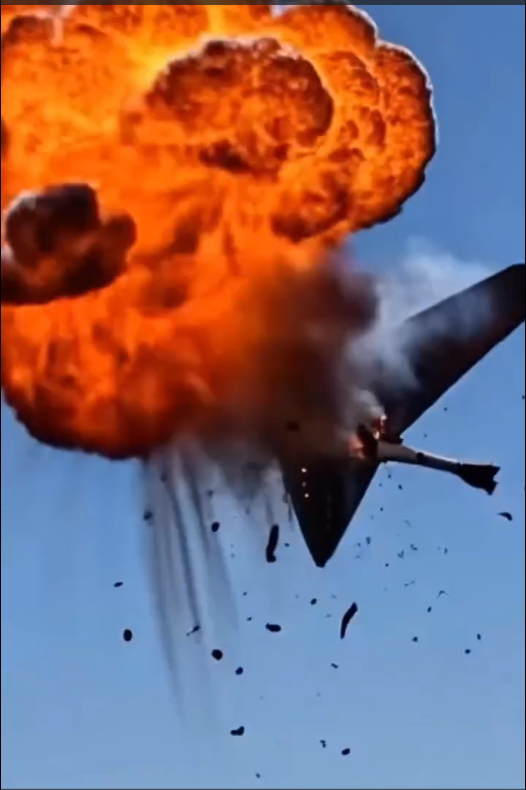
The sky erupted in a sudden flash of light and fire. The missile struck the fighter jet with devastating force, creating a powerful explosion visible for miles. Debris scattered through the air as the damaged aircraft broke apart. The tragic impact ended the confrontation in a matter of seconds, leaving the remaining aircraft in the formation stunned by what had just occurred.
Despite the tragedy, the B 2 bomber managed to avoid direct impact and continued its flight path away from the danger zone. Military command quickly initiated emergency protocols to secure the airspace and assess the situation. Search and rescue teams were dispatched immediately, while the remaining escort fighters established a protective perimeter around the bomber.
Incidents like this highlight the intense risks faced by military pilots during aerial operations. Modern missile systems are incredibly fast and precise, capable of tracking targets across long distances with advanced sensors and guidance technology. Even with sophisticated countermeasures and expert pilots, the margin for error in the skies can be extremely small.
The story of the missile that followed a B 2 bomber and ultimately struck a fighter jet serves as a powerful reminder of the unpredictable nature of aerial combat. Behind every aircraft in the sky are highly trained pilots who accept extraordinary risks in the line of duty. Their missions often unfold far from public view, yet the consequences of those moments in the sky can shape military history and human stories alike.
As aviation technology continues to evolve, so too will the strategies used to protect aircraft from missile threats. New defensive systems, artificial intelligence assisted tracking, and improved stealth technology are constantly being developed to reduce the risks faced by pilots. However, the skies will always remain an environment where speed, skill, and split second decisions determine the outcome.
The tragic encounter between a missile, a B 2 bomber, and a brave escort fighter stands as a dramatic example of how quickly events can escalate in aerial warfare. It is a story of advanced technology, intense strategy, and the profound human courage required to operate in one of the most dangerous arenas on Earth.