Fibromyalgia is a chronic disorder that causes widespread pain in muscles and soft tissues, accompanied by fatigue, sleep problems , and mood swings. It is estimated to affect between 2% and 4% of the world’s population and is more common in women than men.
In this article, we’ll explore its symptoms, causes, risk factors, and treatment options to help you better understand this condition.
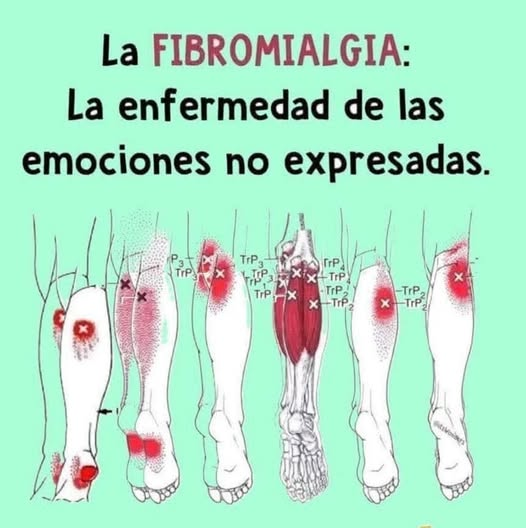
What is fibromyalgia?
Fibromyalgia is a condition characterized by widespread musculoskeletal pain and tenderness in multiple areas of the body. Although it is not considered an autoimmune or inflammatory disease, it has a significant impact on the quality of life of those who suffer from it.
Although its exact origin is unknown, it is believed to be related to abnormal pain processing in the central nervous system.
Symptoms of fibromyalgia
Symptoms vary from person to person, but the most common include:
- Generalized pain : This is the main symptom and usually lasts more than three months. It is described as a constant, stabbing, or burning pain throughout the body.
- Extreme fatigue : Despite sleeping for many hours, people with fibromyalgia often wake up tired.
- Sleep disorders : Difficulty falling or staying asleep, as well as problems such as restless legs syndrome, may occur.
- Cognitive difficulties : Known as “fibrofog,” these include problems with memory, concentration, and difficulty finding words.
- Morning stiffness : Feeling of stiffness in muscles and joints upon waking.
- Headaches : These can be similar to migraines and related to muscle tension.
- Irritable bowel syndrome : Many people with fibromyalgia also experience digestive problems such as bloating, constipation, or diarrhea.
- Anxiety and depression : Fibromyalgia is closely linked to mood disorders due to the impact on daily life.
Causes and risk factors
There is no known specific cause of fibromyalgia, but several factors have been identified that may contribute to its development:
- Genetic factors : There is a family predisposition to the disease, which suggests a hereditary component.
- Infections : Some viral or bacterial diseases can trigger or aggravate symptoms.
- Physical or emotional stress : Traumatic events, accidents, or chronic stress can act as triggers.
- Central nervous system dysregulation : Alterations in the way the brain processes pain have been observed in people with fibromyalgia.
Diagnosis of fibromyalgia
There is no specific test to diagnose fibromyalgia. Doctors typically rely on:
- Medical history : Assessment of symptoms and their duration.
- Physical examination : Identification of tender points on the body.
- Screening tests : Blood tests and other studies to rule out diseases with similar symptoms, such as rheumatoid arthritis or lupus.
Fibromyalgia Treatment
There is no cure for fibromyalgia, but there are several strategies to relieve symptoms:
1. Medication
The most commonly used medications include:
- Analgesics : Such as paracetamol or nonsteroidal anti-inflammatory drugs (NSAIDs).
- Antidepressants : Amitriptyline and duloxetine may help reduce pain and improve sleep.
- Anticonvulsants : Pregabalin and gabapentin have been shown to be effective for neuropathic pain.
2. Complementary therapies
- Physical therapy : Low-impact exercises such as yoga or Pilates can improve mobility and reduce stiffness.
- Acupuncture : Has been shown to be effective in some patients for pain relief.
- Cognitive behavioral therapy (CBT) : Helps manage stress and anxiety associated with the disease.
3. Lifestyle changes
- Regular exercise : Activities such as walking, swimming, or stretching help reduce pain.
- Balanced diet : Avoid processed foods and consume more fruits, vegetables and lean proteins.
- Healthy sleep routines : Maintain regular sleep schedules and avoid caffeine before bed.
Conclusion
Fibromyalgia is a complex condition that affects the quality of life of those who suffer from it. Although there is no cure, a multidisciplinary approach can control its symptoms and improve well-being.
If you suspect you may have fibromyalgia, it’s important to see a doctor for proper diagnosis and treatment. You are not alone in this struggle!